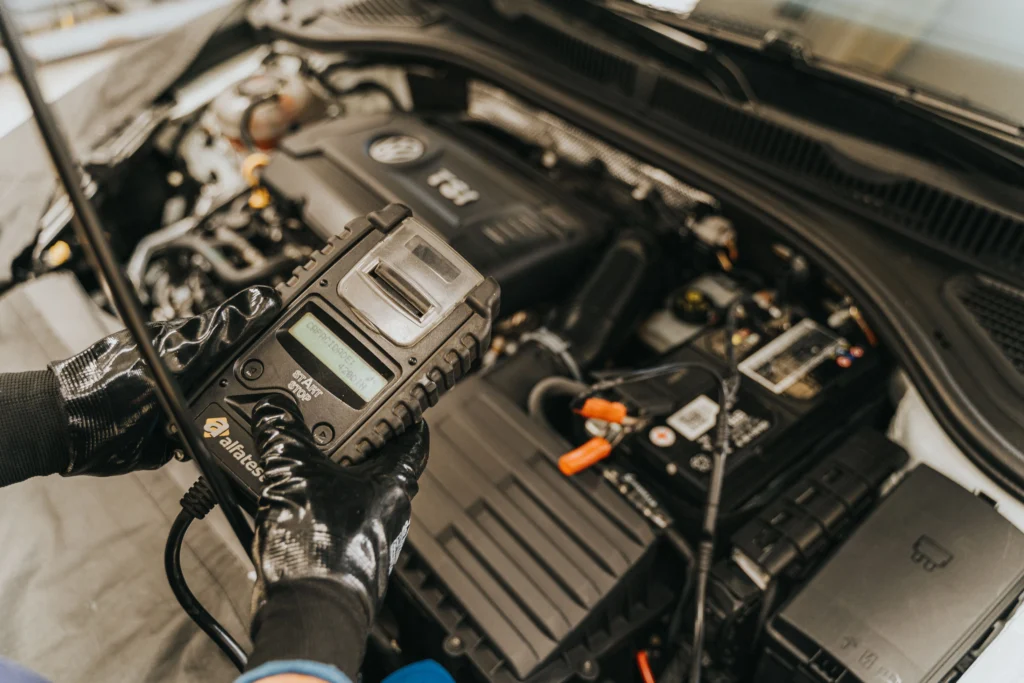
Your car battery is one of the most important parts of your vehicle. Without it, your car may not start, essential electrical systems may fail, and you could find yourself stranded when you least expect it.
Learning how to enhance the lifespan of your car battery can help you reduce the risk of unexpected breakdowns and avoid replacing your battery earlier than necessary. Fortunately, a few simple maintenance habits can make a real difference.
This is particularly important for drivers in London and other busy UK cities. Stop-start traffic, short journeys and periods when a vehicle is left unused can all place additional pressure on a car battery.
The good news is that looking after your battery does not have to be complicated. Regular driving, sensible use of electrical equipment and basic maintenance can help keep it in good condition.
Why Your Car Battery Is So Important
A healthy battery does much more than simply start the engine.
What Does a Car Battery Do?
Your car battery provides electrical power for several important systems. Depending on your vehicle, these may include:
- Starting the engine
- Headlights and interior lights
- The infotainment system
- Windscreen wipers
- Electric windows
- Central locking
- Safety and electronic control systems
When the engine is running, the alternator helps recharge the battery. However, if the battery is weak or the charging system is not working properly, your vehicle may eventually fail to start.
How Long Does a Car Battery Usually Last?
The lifespan of a car battery can vary depending on the vehicle, battery type, driving habits and weather conditions.
Many car batteries last several years, but frequent short journeys, extreme temperatures and poor maintenance can shorten their life. Rather than waiting for a complete failure, it is sensible to monitor the condition of your battery and arrange testing if you notice warning signs.
10 Ways to Enhance the Lifespan of Your Car Battery
1. Drive Your Car Regularly
Regular use helps the charging system replenish the battery.
If your car is left unused for long periods, the battery may gradually lose charge because some electrical systems can continue to draw a small amount of power.
If you do not use your vehicle often, follow the manufacturer’s recommendations for maintaining the battery.
Why Short Journeys Can Cause Problems
Very short journeys may not give the charging system enough time to fully replace the energy used when starting the engine.
Over time, repeated short trips can contribute to a lower state of charge. Where practical, combining errands into a longer journey may help.
2. Avoid Leaving Electrical Devices On
Before leaving your vehicle, check that you have switched off unnecessary electrical equipment.
Common causes of battery drain include:
- Interior lights
- Headlights
- Charging devices
- Accessories connected to a power socket
- Aftermarket electrical equipment
Most modern cars will warn you if something has been left on, but it is still worth checking.
3. Keep the Battery Clean
Battery terminals can develop corrosion over time. This may interfere with the electrical connection and affect performance.
Inspect the battery periodically for signs of:
- Corrosion around the terminals
- Loose connections
- Dirt and moisture
- Visible damage
If cleaning is required, follow your vehicle manufacturer’s guidance and use appropriate safety precautions.
Removing Corrosion Safely
Always switch off the vehicle before carrying out any inspection or maintenance.
If you are unsure about removing corrosion or disconnecting the battery, ask a qualified technician to do the work. Modern vehicles may have electrical systems that require specific procedures.
4. Check the Battery Terminals
Loose terminals can cause poor electrical connections and starting problems.
During a routine vehicle inspection, make sure the battery connections appear secure. Do not overtighten or attempt repairs if you are unsure how the battery is fitted.
A garage can check the battery and connections as part of routine maintenance.
5. Protect Your Battery During Cold Weather
Cold weather can make it harder for a battery to provide enough power to start an engine.
During winter, consider:
- Parking in a garage where possible
- Reducing unnecessary electrical use before starting
- Having an older battery tested
- Keeping your vehicle properly maintained
Cold weather is a common time for weak batteries to reveal themselves. For more practical advice on keeping your vehicle safe and reliable during the colder months, take a look at our winter driving tips.
6. Avoid Excessive Short Trips
London drivers often make short journeys through heavy traffic. While this is sometimes unavoidable, repeated short trips can affect battery charging.
If possible, take the car on a longer drive occasionally to allow the charging system to operate under normal conditions.
Of course, always choose journeys based on your practical needs rather than driving unnecessarily.
7. Get Your Battery Tested Regularly
A battery can lose performance gradually without obvious warning.
A professional battery test can help identify whether it is:
- Holding a sufficient charge
- Charging correctly
- Approaching the end of its useful life
Testing is particularly worthwhile before winter or before a long journey.
8. Make Sure the Charging System Is Working
The battery depends on the vehicle’s charging system.
If the alternator or related components are not working properly, the battery may not recharge sufficiently while driving.
Possible warning signs include:
- A battery warning light
- Dimming headlights
- Electrical problems
- Repeated flat batteries
If you experience these issues, arrange a professional inspection.
9. Secure the Battery Properly
A battery should be firmly secured in its correct position.
Excessive movement and vibration can potentially damage the battery or its connections. This is especially important after battery replacement or vehicle repairs.
If the battery appears loose, have it checked by a qualified professional.
10. Know When It Is Time for a Replacement
Even with excellent maintenance, every battery eventually reaches the end of its useful life.
Replacing a weakening battery before it fails completely can prevent an inconvenient breakdown.
Common warning signs include slow starting, recurring electrical problems and the need for frequent jump-starts.
Common Signs of a Weak Car Battery
Recognising the warning signs early can help you avoid being stranded.
Slow Engine Starting
If the engine takes longer than usual to start, or the starter sounds sluggish, the battery may be losing power.
However, starting problems can have several causes, so a proper test is the best way to identify the issue.
Dashboard Warning Lights
A battery or charging-system warning light should not be ignored.
It does not always mean that the battery itself needs replacing. The issue could involve the alternator or another electrical component.
Electrical Problems
Other possible signs include:
- Dim headlights
- Slow electric windows
- Flickering dashboard lights
- Problems with central locking
- Electrical accessories working inconsistently
If several electrical problems occur at the same time, have the vehicle inspected.
How London Driving Can Affect Your Car Battery
London driving presents some particular challenges.
Stop-Start Traffic and Short Journeys
Heavy congestion means that journeys can involve frequent stopping and starting.
Starting the engine requires a significant amount of electrical power. If the vehicle repeatedly makes short journeys, the battery may not always receive enough charging time to fully recover.
Modern start-stop systems can also place different demands on a vehicle’s battery, which is why it is important to fit the correct battery type specified by the manufacturer.
Parking and Infrequent Vehicle Use
Some London drivers may leave their cars parked for several days or longer.
During this time, certain systems may continue to use a small amount of battery power. If a vehicle is left unused for an extended period, follow the manufacturer’s guidance on battery maintenance or consider professional advice.
What to Do If Your Car Battery Goes Flat
A flat battery can happen unexpectedly, even with regular maintenance.
Jump-Starting Your Vehicle Safely
If your vehicle requires a jump-start, make sure you follow the instructions in the owner’s handbook.
Incorrect jump-starting can damage electrical systems or create a safety risk.
Modern cars may have designated connection points, and some hybrid or electric vehicles require different procedures. If you are unsure, contact a professional.
When to Call for Breakdown Recovery
Professional assistance is a sensible option if:
- You do not know why the battery went flat
- The battery repeatedly loses charge
- You do not have the correct equipment
- Your car will not start after a jump-start
- You are stranded in an unsafe location
A technician can help determine whether the problem is the battery, alternator, or another part of the electrical system.