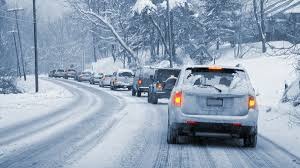
Winter Driving Tips
As winter sets in and roads become coated with ice, sleet, and snow, it’s more important than ever for motorists to prepare themselves and their vehicles. Driving in wintry conditions can be unpredictable, but with the right preparation and techniques, you can greatly reduce your risk on the road.
From routine vehicle checks to knowing how to respond in an emergency, this guide covers the key steps you can take to stay safe. And even with the best preparation, unexpected problems can still arise—so having a trusted recovery service’s number to hand is always a smart move.
If severe weather leaves you stranded or your car slides into a ditch, Hanifen Towing is ready to help.
Get Your Vehicle Ready for Winter
Giving your car some early attention before temperatures drop is one of the most effective ways to prevent winter breakdowns and hazards.
Check Your Windscreen Wipers
Good visibility is crucial in difficult weather. Inspect your windscreen wipers for any cracking, splitting, or stiffness, and replace them if they’re worn.
Fill the washer bottle with a winter-grade fluid designed to resist freezing and remove ice, dirt, and road spray more effectively.
Assess Your Tyres
Tyres are your main defence against slippery roads. Ensure the tread depth meets UK legal standards—1.6mm is the minimum, but a deeper tread is far better for winter conditions.
Cold weather naturally reduces tyre pressure, so check the PSI regularly and adjust it as needed.
If you frequently drive in snowy or rural areas, fitting winter tyres can provide significantly better grip and control.
Test Your Heating and Demisting Systems
Before temperatures fall, switch on your heater and windscreen demister to confirm everything is working properly.
A functioning demister prevents fogging and keeps your view clear, which is essential for safe winter driving.
Driving Safely in Winter Weather
Even a well-prepared vehicle needs to be paired with careful driving in poor conditions.
Maintain a Smooth, Steady Speed
Sudden acceleration, harsh braking, or sharp steering can cause your tyres to lose traction on icy surfaces.
Instead, drive smoothly and at a sensible pace. Gentle inputs help maintain stability and reduce the likelihood of skidding.
Increase Your Following Distance
Stopping distances can be significantly longer on snow or ice.
As a rule, leave at least double your usual gap between you and the vehicle ahead. This extra space gives you more time to react if traffic slows unexpectedly or another driver loses control.
Use Your Headlights
Winter weather often brings reduced visibility. Turning on your headlights—in daylight as well as at night—makes it easier for other drivers to see you.
Before setting off, clear any snow or ice from your headlights and rear lights to ensure they can be seen clearly.
Keep Calm If You Begin to Slide
If your car starts to skid, panicking will only make the situation worse.
Ease off the accelerator and steer gently in the same direction the rear of the car is sliding. Avoid slamming on the brakes or jerking the steering wheel, as these can cause a complete loss of control.
Practising this technique in a safe, empty area can help build confidence.
If You End Up in a Ditch
Ending up in a ditch is never pleasant, but it doesn’t have to turn into a crisis.
Stay calm and assess your surroundings. Make sure you’re safe, check whether the vehicle is stable, and avoid revving the engine excessively, as this can dig the tyres in deeper.
If you can’t safely move the car, it’s best to call a professional recovery service. Give them accurate details about your location and wait somewhere safe until help arrives.
Winter Motoring FAQs
What should I do to prepare my car for winter?
Check your windscreen wipers, top up winter-grade washer fluid, inspect your tyres for sufficient tread and pressure, and ensure the heater and demister systems work correctly.
How should I drive on snow or ice?
Keep your speed steady, avoid abrupt movements, increase your following distance, and use your headlights to improve visibility.
How do I handle a skid?
Stay calm. Steer gently in the direction of the skid, ease off the accelerator, and apply the brakes lightly if needed.
What should I do if I’m stuck in a ditch?
Check that you and your passengers are safe, avoid attempting risky manoeuvres, and call a professional recovery service for assistance.