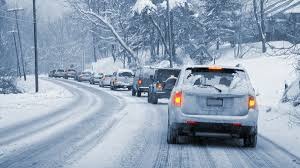
Drivers maintain safe distances while navigating snowy roads — stay cautious during winter weather conditions.| A reminder by White Recovery best towing service in London
Why Driving Safely in Rain and Snow Matters
Driving during rain or snow isn’t just about getting from one place to another—it’s about survival. Wet and icy roads transform your car into a potential hazard if you’re not cautious. Accidents are far more common during bad weather, not because people don’t know how to drive, but because they underestimate how dramatically road conditions change. A slick road surface means longer braking distances, less traction, and slower reactions. For drivers across the UK, where weather is famously unpredictable, learning how to drive safely during rain and snow isn’t just useful—it’s essential. Whether you’re on a motorway or navigating a quiet rural lane, mastering wet-weather driving skills could be the difference between arriving safely and ending up stranded on the roadside.
Driving in poor weather requires awareness, patience, and preparation. It’s not just about your skill behind the wheel—it’s also about how well your vehicle is maintained and how you adapt your driving habits. So, let’s explore some practical, real-world tips on how to stay safe when the weather turns against you.
Understanding the Risks of Wet and Snowy Roads
Rain and snow create unpredictable road conditions that can easily catch drivers off guard. The biggest threat is loss of traction. When water or ice builds up between your tires and the road, your vehicle’s ability to grip the surface drastically decreases. This makes steering and braking more difficult and can cause you to skid.
Hydroplaning and Reduced Traction: Hydroplaning occurs when your tires ride on top of water rather than gripping the road beneath. Even at speeds as low as 35 mph, your car can start to slide uncontrollably if your tires can’t push water away fast enough. During snow, ice crystals reduce friction between your tires and the road, causing a similar effect—loss of control.
Decreased Visibility and Reaction Time: Rain reduces visibility, especially when combined with fog or oncoming headlights reflecting off a wet road. Snow can be even worse, with blizzards completely obscuring the road ahead. This reduced visibility shortens your reaction time, which means you must rely on anticipation rather than quick reflexes. Always assume that the car ahead may brake suddenly or that the road may change condition unexpectedly.
Preparing Your Vehicle Before the Journey
Preparation can make all the difference when driving in poor weather. Before setting off, take a few minutes to inspect your car thoroughly.
Check Your Tires:
Tires are your only contact with the road, so ensure they’re in good condition. Tread depth should be at least 3mm during winter for maximum grip. Under-inflated tires can cause instability, while over-inflated ones reduce traction.
Windshield Wipers and Fluid:
Replace wiper blades at least once a year, or sooner if they leave streaks. Keep your washer fluid topped up with a winter formula to prevent freezing. Clear visibility is your first line of defense in rain and snow.
Lighting:
Check that all headlights, tail lights, and indicators are working properly. Dirty or dim lights reduce your ability to see and be seen. Consider upgrading to brighter halogen or LED bulbs for better performance.
Mirrors and Windows:
Keep your mirrors and windows clean inside and out. Fog and condensation can quickly build up, especially during temperature changes. Use your defogger and air conditioning to maintain clarity.
Importance of Seasonal Maintenance
Every season brings its own challenges for drivers, and your car needs to be ready for all of them—especially winter. Seasonal maintenance isn’t just about keeping your car running; it’s about preventing accidents and breakdowns when conditions are toughest.
Start by winterizing your vehicle. This means checking your antifreeze levels, battery health, and tire condition. Cold weather can drain your battery faster, and the last thing you want is to be stuck with a dead one in freezing temperatures. Make sure your antifreeze-to-water ratio is correct (typically 50/50) to prevent your engine from freezing.
Next, consider your engine oil. Some oils become thicker in cold weather, making it harder for your engine to start. Switching to a winter-grade oil recommended by your car manufacturer can help your engine run smoothly.
Don’t forget your coolant and windshield washer fluids. These are often overlooked but are vital for safe driving. Use washer fluids that contain anti-freeze properties, so they don’t freeze in your system. Also, inspect belts, hoses, and brakes—these parts tend to wear faster in fluctuating temperatures.
Regular maintenance before the cold season ensures your car performs efficiently and keeps you safe when road conditions are unpredictable.
Adjusting Your Driving Habits for Wet Conditions
Your driving habits play the biggest role in staying safe during rain. The golden rule is simple: slow down. Wet roads reduce traction by nearly half, so driving at your usual speed is a recipe for disaster. Reducing speed gives your tires more time to grip the road and helps prevent hydroplaning.
Maintain a safe distance—at least double the normal following distance. Braking distances can increase dramatically in rain, and a safe buffer can prevent rear-end collisions.
Avoid sudden actions like sharp turns, quick acceleration, or abrupt braking. Smooth, gentle movements keep your car stable and reduce the risk of skidding.
Another often-forgotten habit is using headlights properly. Turn them on in rain—not just so you can see, but so others can see you. Avoid using high beams, as they reflect off water droplets and can actually reduce visibility.
Also, avoid puddles whenever possible. Driving through standing water can cause hydroplaning or engine damage if water enters the intake.
How to Handle Aquaplaning (Hydroplaning)
Aquaplaning can happen suddenly and without warning. It’s one of the scariest experiences a driver can have—but if you stay calm, you can regain control safely.
Here’s what to do:
- Don’t panic or brake suddenly. Sudden braking can make the skid worse.
- Ease off the accelerator gently. This helps your tires regain contact with the road.
- Hold the steering wheel straight. Avoid oversteering or jerking the wheel.
- Once traction returns, steer gently in your intended direction.
The best defense against aquaplaning is prevention. Keep your tires properly inflated, maintain good tread depth, and slow down when roads are wet.
Driving Techniques for Snowy and Icy Roads
Driving on snow or ice is an entirely different challenge. Every movement you make should be deliberate and slow.
Use low gears when starting or climbing hills. Low gears give you more control and reduce wheel spin. Avoid cruise control, as it can make your tires spin faster when they lose traction.
Braking: In snowy conditions, brake gently. If your car has ABS (Anti-lock Braking System), apply steady pressure to the pedal and let the system do the work. If you don’t have ABS, pump the brakes gently to avoid locking your wheels.
When turning on icy roads, steer gradually and avoid sudden movements. Always look in the direction you want the car to go. If your car starts to skid, steer into the skid rather than away from it—this helps your tires realign with the direction of travel.
Finally, avoid stopping on inclines if possible. Getting moving again on a hill can be difficult in snow.
The Role of Tires in Safe Winter Driving
Your tires are your car’s only connection to the road, so investing in the right ones makes a world of difference.
All-season tires can handle light winter conditions, but if you live in an area prone to snow or ice, winter tires are essential. They’re made of a softer rubber compound that stays flexible in cold temperatures, providing better grip and control.
Winter tires also have deeper treads with unique patterns designed to channel snow, slush, and water away from the tire surface.
If you’re using winter tires, install them on all four wheels—not just the front. Mixing tires can cause uneven traction and make your car unstable.
Check your tire pressure frequently in winter. Cold air causes pressure to drop, reducing traction and control.
Braking Tips for Rain and Snow
Braking safely in bad weather is about control, not speed. Always apply brakes gently and early.
If your vehicle has ABS, press the brake pedal firmly and let the system modulate the pressure. You may feel a pulsing sensation—this is normal and means the system is working.
For non-ABS vehicles, use the “pump braking” method. Lightly tap the brakes in quick succession to avoid locking the wheels.
Another tip: anticipate stops early. Begin slowing down long before traffic lights or junctions. This gives you more room for adjustment if the road is slippery.
Avoid using the handbrake on icy roads—it can cause the rear wheels to lock up, leading to a spin.
Dealing with Fog and Reduced Visibility
Fog, combined with rain or snow, can make driving extremely dangerous. Your best defense is preparation and awareness.
Use fog lights when visibility drops below 100 meters. However, remember to turn them off once visibility improves—they can blind other drivers.
Keep your low beams on instead of high beams. High beams reflect off moisture in the air and make it harder to see.
Drive slowly, and use the road markings to guide your path. Avoid overtaking and maintain a steady speed to prevent sudden braking.
Essential Safety Equipment to Keep in Your Car
Being prepared for emergencies is just as important as driving carefully. Always keep an emergency kit in your car that includes:
A flashlight and extra batteries
Jumper cables
A shovel and ice scraper
A warm blanket and gloves
First-aid kit
Reflective warning triangle
A phone charger or power bank
In winter, also carry some sand or cat litter for traction if you get stuck, along with extra water and snacks.
What to Do if You Get Stuck or Stranded
Getting stuck in snow or stranded due to heavy rain can be frightening, but staying calm is key.
- Stay in your car. It’s safer and provides shelter.
- Turn on hazard lights to stay visible to rescuers.
- Conserve fuel by running the engine intermittently for warmth.
- Keep the exhaust pipe clear of snow to avoid carbon monoxide poisoning.
- Call for help—services like White Recovery, can reach you quickly if you’re stranded.
Using Technology to Your Advantage
Modern vehicles come equipped with features that make driving in rain and snow safer.
Use traction control and electronic stability control to prevent skidding. These systems automatically adjust power to maintain grip.
Before your journey, check weather apps and navigation systems for road closures or delays. Technology can help you plan safer routes and avoid dangerous areas.
Common Mistakes Drivers Make in Bad Weather
Even experienced drivers make mistakes during bad weather. The most common is overconfidence in 4WD or AWD systems. While these help with traction, they don’t improve braking distances.
Ignoring weather warnings or failing to reduce speed is another major cause of accidents. Also, using cruise control in wet or icy conditions can lead to loss of control.
Always drive according to the road conditions, not the posted speed limit.
Conclusion: Safety Comes Before Speed
When it comes to driving in rain or snow, remember: safety is more important than speed. A few extra minutes of travel time are nothing compared to the risk of an accident. Preparing your vehicle, adjusting your habits, and staying aware of your surroundings will ensure you and your passengers stay safe—no matter what the weather throws your way.
For professional roadside assistance and recovery in the UK, visit White Recovery for reliable, 24/7 support.
FAQs
-
What’s the safest speed to drive in rain?
Drive at least 10–15 mph slower than usual and adjust speed according to visibility and road conditions.
-
Should I use hazard lights while driving in snow?
No. Hazard lights should only be used when you’re stationary or an immediate hazard.
-
How do I stop skidding on ice?
Ease off the accelerator, steer gently in the direction of the skid, and avoid braking suddenly.
-
Can cruise control be used in rain?
Avoid it. Cruise control can make your tires spin faster if traction is lost, increasing the risk of skidding.
-
How can I prepare my car for winter driving?
Check tires, battery, fluids, and carry an emergency kit. Consider switching to winter tires for better traction.