Breaking down on the roadside is never planned. One moment you’re cruising along a motorway, the next you’re dealing with a flat tyre, a warning light, or a car that simply won’t start. In those moments, preparation makes all the difference. A well-prepared car emergency kit can turn a stressful situation into a manageable one and, in some cases, protect your safety while you wait for professional recovery.
At White Recovery, we attend roadside callouts across the UK every day. While our team is always ready to help, we also believe every driver should be prepared for the unexpected. This guide walks you through 20 essential items every UK driver should keep in their vehicle, plus practical tips on how to store and maintain your kit properly.
Why Every Driver in the UK Needs a Car Emergency Kit
UK roads are unpredictable. Heavy rain, fog, icy mornings, traffic congestion, and long motorway stretches all increase the risk of breakdowns. According to UK motoring data, thousands of drivers require roadside assistance daily due to flat batteries, tyre issues, or minor mechanical faults.
An emergency kit won’t replace professional roadside assistance, but it can:
-
Keep you safe while waiting for help
-
Help resolve minor issues quickly
-
Reduce stress during breakdowns
-
Protect passengers in poor weather or at night
Whether you’re a daily commuter, a delivery driver, or someone who only drives on weekends, having an emergency kit is a smart and responsible choice.
The 20 Essential Items for Your Car Emergency Kit
1. First Aid Kit
A basic first aid kit is a legal and practical essential. It allows you to treat minor injuries until professional help arrives.
Your kit should include:
-
Plasters and adhesive dressings
-
Sterile gauze pads
-
Antiseptic wipes
-
Disposable gloves
-
Scissors and tweezers
-
Pain relief tablets
-
Burn cream
-
Emergency foil blanket
-
Personal medication if required
Check expiry dates regularly and replace used items promptly.
2. Jump Leads or Battery Booster Pack
A flat battery is one of the most common causes of breakdowns in the UK, especially during winter.
Choose:
-
Heavy-duty jump leads with insulated clamps
or -
A portable jump starter pack (ideal if you’re alone)
Make sure you understand how to use jump leads safely to avoid damaging your vehicle.
3. Spare Wheel, Jack, and Wheel Brace
If your vehicle has a spare wheel, ensure:
-
It’s fully inflated
-
The jack fits your car
-
The wheel brace matches your wheel nuts
Practise changing a wheel at home so you’re not learning on the hard shoulder of a motorway.
4. Tyre Repair Kit
For vehicles without a spare wheel, a tyre repair kit is essential.
Most kits include:
-
Sealant
-
Air compressor
-
Pressure gauge
This is a temporary fix designed to get you to a garage safely.
5. Portable Air Compressor
A slow puncture or low tyre pressure warning can often be resolved with a portable compressor.
Look for:
-
12V socket compatibility
-
Digital pressure display
-
Auto shut-off feature
-
Built-in torch for night use
6. Torch and Spare Batteries
Breakdowns often happen in poor visibility.
Carry:
-
A bright LED torch
-
Spare batteries
or -
A rechargeable torch with USB or hand-crank power
Avoid relying on your phone torch alone.
7. Warning Triangle and High-Visibility Vest
In the UK, safety visibility is critical.
Your kit should include:
-
A reflective warning triangle
-
At least one high-visibility vest
Always wear the vest before exiting your vehicle on fast roads.
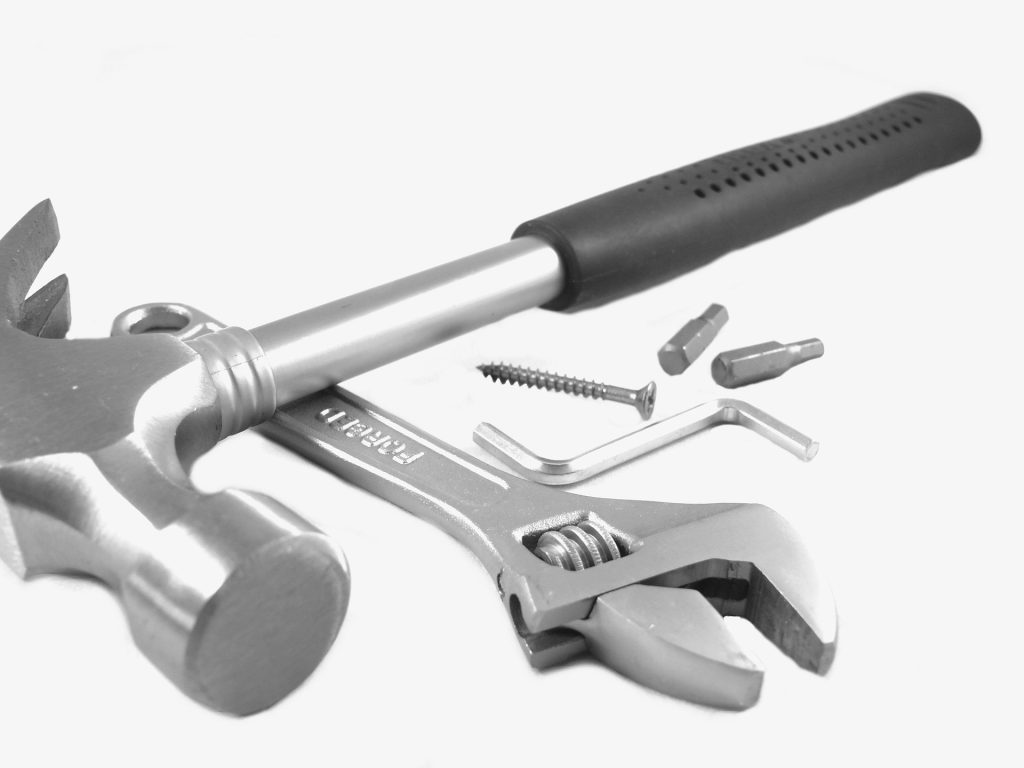
8. Basic Tool Kit or Multi-Tool
Small tools can solve small problems.
Useful items include:
-
Screwdrivers
-
Adjustable spanner
-
Pliers
-
Utility knife
-
Electrical tape
-
Cable ties
A compact multi-tool works well if space is limited.
9. Fire Extinguisher (Car-Safe)
Although rare, vehicle fires can happen.
Choose:
-
A compact, car-rated fire extinguisher
-
Secure mounting
-
Clear instructions
Store it where it’s easy to reach.
10. Warm Clothing and Thermal Blankets
UK weather can change quickly.
Include:
-
Thermal foil blankets
-
Gloves and a hat
-
Extra socks
-
Waterproof poncho
These are especially important if you break down at night or during winter.
11. Drinking Water and Non-Perishable Snacks
If you’re stranded for hours, food and water matter.
Pack:
-
Bottled water
-
Energy bars
-
Nuts or dried fruit
Replace every 6–12 months.
12. Phone Charger and Power Bank
Your phone is your lifeline.
Carry:
-
High-capacity power bank
-
Charging cables
-
12V car charger
Store electronics in a waterproof pouch.
13. Strong Duct Tape
Duct tape is surprisingly useful.
It can:
-
Secure loose parts
-
Temporarily seal hoses
-
Patch broken trim
-
Hold cracked lights in place
Choose automotive-grade tape.
14. Tow Strap or Recovery Rope
If stuck in mud or snow, a recovery strap can help.
Look for:
-
Rated strength suitable for your vehicle
-
Fabric loops (safer than hooks)
-
Storage bag
Only use if you understand the correct recovery methods.
15. Screen Wash and Spare Wiper Blades
Clear vision is essential.
Keep:
-
All-season screen wash
-
Spare wiper blades suitable for your car
Especially important during winter and motorway driving.
16. Ice Scraper, Snow Brush, and Folding Shovel
Essential for winter driving.
Include:
-
Ice scraper with brush
-
Compact shovel
-
Traction aid (sand or cat litter)
-
Hand warmers
Even occasional winter drivers should carry these.
17. Work Gloves and Cleaning Supplies
Protect your hands during roadside repairs.
Pack:
-
Heavy-duty gloves
-
Hand wipes or gel
-
Rags or paper towels
18. Emergency Cash and Documents
Technology can fail.
Carry:
-
£30–£50 in cash
-
Insurance details
-
Emergency contact numbers
-
Vehicle details
Store in a waterproof pouch.
19. Paper Maps or Offline Navigation
GPS isn’t always reliable.
Include:
-
UK road atlas
-
Local maps
-
Written directions for key routes
Helpful in poor signal areas.
20. Emergency Contacts and Roadside Assistance Details
Keep important information written down.
Include:
-
Roadside recovery number
-
Insurance provider
-
Family contacts
-
Medical information
Keep this separate from your phone.
Seasonal Additions for UK Driving
Summer Extras
-
Extra water
-
Sunglasses
-
Sun cream
-
Coolant
Winter Extras
-
Extra blankets
-
De-icer
-
Anti-freeze screen wash
-
Snow socks or chains (if travelling to rural areas)
How to Store Your Car Emergency Kit Properly
-
Use a sturdy, waterproof container
-
Separate items into labelled bags
-
Keep safety items easily accessible
-
Secure the kit so it doesn’t move while driving
-
Check contents every 6 months
When to Call Professional Roadside Assistance
Even the best emergency kit can’t fix everything. If you’re dealing with a serious breakdown, warning lights, engine issues, or an unsafe roadside situation, professional help is essential.
White Recovery provides fast, reliable car recovery and roadside assistance across the UK. Whether it’s a flat battery, puncture, accident recovery, or vehicle transport, our experienced team is available when you need us most.
Final Thought
A car emergency kit is about preparation, not panic. It keeps you safe, calm, and in control while help is on the way. Take time today to build or update your kit — it’s a small effort that can make a huge difference on the road.